acrylic sealant banner
Permanently Elastic

Permanently Elastic

Acrylic sealant maintains its flexibility on the applied surface for many years, eliminating the risk of cracking and chipping. Its structure, which retains its shape even on moving surfaces, provides a durable and reliable filler.

Solvent-free.

Solvent-free.

Solvent-free acrylic sealant is odorless both during and after application and is environmentally friendly. Its formula, which is harmless to human health, allows for safe use in both indoor and outdoor environments.

Paintable

Paintable

Acrylic mastic, which can be painted with water-based or synthetic paint after drying, creates aesthetically pleasing and integrated surfaces. With various color options, it helps you easily achieve decorative harmony.

acrylic sealant
acrylic sealant

Acrylic Sealant


What is Acrylic Sealant?

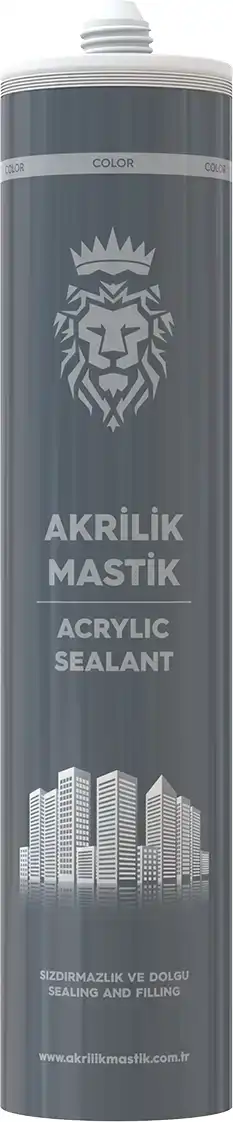
Acrylic sealant is a water-based, elastic filler material used in construction and decoration to fill gaps between surfaces, seal cracks, and provide a smooth finish. Its paintable nature allows it to integrate with the surface after application, creating an aesthetically pleasing appearance. Suitable for interior use, acrylic sealant is particularly popular at door, window, baseboard, wall, and ceiling joints. It is easy to apply, dries quickly, and adheres strongly to the surface. Furthermore, its water-based composition makes it a safe option for both the environment and user health.


Acrylic Sealant Properties

  • Paintable surface: Once dry, it can be easily painted with water-based or synthetic paints.
  • High adhesive strength: Adheres strongly to many surfaces such as wood, concrete, plaster, brick, and PVC.
  • Flexible structure: After drying, it adapts to surface movements, reducing the risk of cracking.
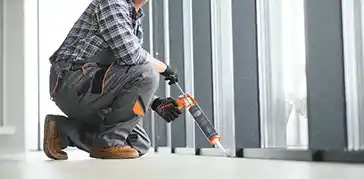
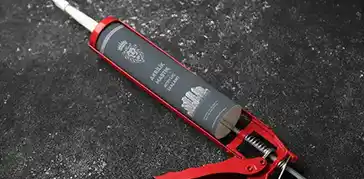
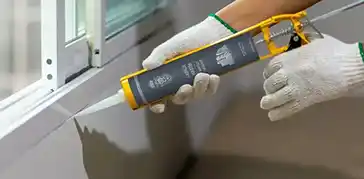
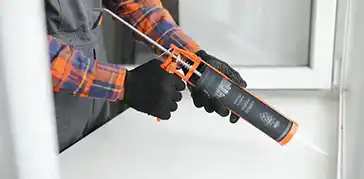
  • Easy application: Can be applied practically with a cartridge gun, spreading easily over the surface.
  • Environmentally friendly: Water-based formula with low VOC (volatile organic compound) content.
  • Indoor use: Performs ideally, especially in areas not exposed to water.
  • Crack and gap filling: Covers minor surface imperfections, providing a smooth finish.

Applications of Acrylic Sealant

  1. Door and window installation
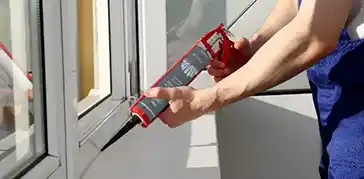
    Filling the gaps between wooden, PVC, or aluminum window frames and walls.
    To ensure airtightness and dust resistance.
  2. Repairing wall cracks
    To seal small cracks in plaster, stucco, or concrete surfaces.
    Surface preparation before painting.
  3. Skirting board and trim installation
    To close the gap between the wall and a wooden or MDF baseboard.
  4. Interior joint and gap filling.
    Drywall joints, ceiling edges, decorative moldings.
  5. Thermal and sound insulation reinforcement.
    To enhance insulation by preventing air leaks in small gaps.
  6. Tile and ceramic edges
    Areas not exposed to water, such as the junctions between kitchen countertops and walls.
  7. In woodworking
    To fill, seal, and repair surface imperfections after assembly.

Acrylic Sealant Application Tips

  • The surface to be coated must be clean, dry, and dust-free. Surface preparation significantly improves adhesion quality.
  • After applying the sealant, it's best to smooth the surface with a spatula or damp finger as soon as possible for better results.
  • If a very thick layer is to be applied to deep cavities, the process should be done in layers, and complete drying should be allowed.
  • If the surface is to be painted after drying, a light correction can be made with fine sandpaper.
  • For outdoor applications, special water-resistant formulas should be used; standard acrylic sealant should not be applied to areas with intense direct water contact.

Acrylic Sealant Color Options

White
Black
Golden Oak
Gray
Brown

Acrylic Sealant Logistics Information

Product Name
Contents
Package
Quantity per box
Number of Pallets
Acrylic Sealant
500 gr
Kartuş
24
3000

Acrylic Sealant
450 gr
Kartuş
24
3000

company advertisement company advertisement

Have your company advertisement placed here.


If you would like to advertise, please contact us.

Acrylic Sealant Blog


Akrilik Mastik Kullanırken Sık Yapılan Hatalar ve Çözümleri

Common Mistakes and Solutions When Using Acrylic Sealant

Acrylic sealant is a commonly used filler material in the construction industry. However, many users make various mistakes during application, which negatively affects the product's performance. In th...

Read more
Akrilik Mastik Seçerken Nelere Dikkat Edilmeli? – Uzmanından İpuçları

What to Consider When Choosing Acrylic Sealant? – Tips from an Ex...

Choosing the right acrylic sealant is crucial for both application quality and durability. Many different brands and types of acrylic sealants are available on the market. So, how do you choose the ri...

Read more
Akrilik Mastik ile Su İzolasyonu Yapılır mı? – Doğru Kullanım ve İpuçları

Can Acrylic Sealant Be Used for Waterproofing? – Correct Use and ...

Acrylic sealant is a commonly used filler material in the construction industry, but its effectiveness in waterproofing is sometimes questioned. So, can waterproofing really be achieved with acrylic s...

Read more
Akrilik Mastik Saklama ve Dayanıklılık İpuçları

Acrylic Sealant Storage and Durability Tips

Acrylic sealant is a practical filler material frequently used in construction and repair work. However, proper storage is crucial to maintain the product's quality and performance. This article detai...

Read more
Akrilik Mastik Fiyatları ve Ekonomik Alım Tüyoları

Acrylic Sealant Prices and Economical Buying Tips

Acrylic sealant is a frequently preferred filling and sealing material in the construction and renovation industry. So, how are acrylic sealant prices determined, and how can you get a quality product...

Read more
Akrilik Mastik Nasıl Uygulanır? Adım Adım Rehber

How to Apply Acrylic Sealant? A Step-by-Step Guide

Acrylic sealant is a practical material widely used in construction for filling cracks, joints, and gaps. When applied correctly, it provides durable, aesthetically pleasing, and long-lasting results....

Read more

Frequently Asked Questions

We've answered your frequently asked questions about acrylic sealant.


Acrylic sealant dries on the surface within 1-2 hours, depending on ambient temperature and humidity. Full curing time is generally 24 hours.

Yes, acrylic mastic can be painted with water-based and solvent-based paints after it dries. This provides both an aesthetic appearance and durability.

After cleaning the surface, the sealant is applied to the joints or gaps using a sealant gun. After application, a smooth surface is obtained by smoothing it with a spatula or damp finger.

Standard acrylic sealants offer limited resistance to water. For long-lasting use in wet areas or on exterior facades, specially formulated, water-resistant acrylic sealants should be preferred.

Acrylic sealant provides excellent adhesion to many surfaces such as wood, concrete, drywall, brick, and metal. It can be safely used for joint filling, crack sealing, and assembly applications both indoors and outdoors.
Acrylic Sealant Frequently Asked Questions Acrylic Sealant Frequently Asked Questions